
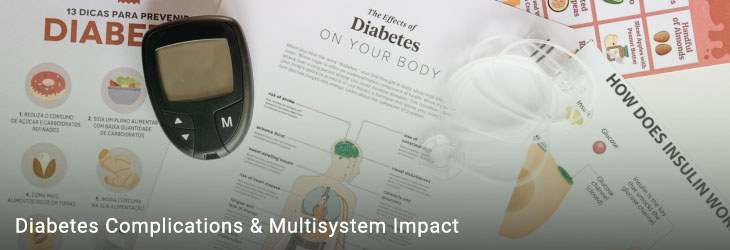
Track: Diabetes Complications & Multisystem Impact
Session Overview
This session provides an integrated overview of the pathophysiological mechanisms and clinical manifestations of diabetes-related complications. It emphasizes how prolonged metabolic imbalance affects multiple organ systems and highlights evidence-based strategies for prevention, early diagnosis, and intervention.
Key Topics
Microvascular Complications:Chronic hyperglycemia leads to damage of small blood vessels, resulting in complications such as retinopathy, nephropathy, and neuropathy.
Macrovascular Complications: Diabetes significantly increases the risk of cardiovascular diseases, including coronary artery disease, stroke, and peripheral arterial disease.
Diabetic Neuropathy:Nerve damage caused by prolonged high blood glucose levels can lead to sensory loss, pain, and autonomic dysfunction.
Diabetic Nephropathy: Progressive kidney damage resulting from diabetes is a leading cause of chronic kidney disease and end-stage renal failure worldwide.
Diabetic Retinopathy: Damage to retinal blood vessels can result in vision impairment and blindness if not detected and managed early.
Learning Objectives
Participants will gain insight into the mechanisms driving diabetes-related complications across multiple organ systems. The session aims to enhance understanding of risk factors and early warning signs associated with disease progression. Attendees will learn evidence-based approaches to prevent and manage complications effectively. The session also highlights the importance of integrated clinical strategies to reduce long-term morbidity and mortality in individuals with diabetes.
Scientific Highlights
- Diabetes Mellitus and Research
- Types of Diabetes
- Diabetes Complications & Multisystem Impact
- Diabetic Clinical Care and Prevention
- Treatment and Management of Diabetes
- Advances and Latest trends on diabetic research
- Genetics of Diabetes
- Stem Cell treatment in Diabetes
- Business and Medical devices research on Diabetes
- COVID19 and Diabetes
- Clinical Endocrinology & Hormonal Disorders
- Pituitary and Neuroendocrinology
- Thyroid
- Reproductive Endocrinology & Infertility
- Pediatric Endocrinology
- Endocrine Surgery
- Steroid Hormones and Receptors
- Nutrition, Obesity & Metabolic Syndrome

Organization Location
#1309 Coffeen Avenue, STE 1200, Sheridan, Wyoming 82801, USA
General Enquiry
contact@scientexconferences.com
Finance Enquiry
finance@scientexconferences.com
Call us at
USA : (+1) 3074647366