
6th Global Meeting on Diabetes and Endocrinology
ThemeBridging Research and Clinical Practice in Diabetes and Endocrinology
- DatesNovember 20, 2026
- LocationBangkok, Thailand
- VenueGrand Mercure Bangkok Atrium
Abstract Submission
Closed
Thank you for joining us · stay tuned for the next edition.


Thank you very much for your appreciation of my work.The speakers were very professional and experienced in their field of interest and all of them presented interesting research results. The Conference was very well organized. I think, you do a great job organizing conferences like that. I had a great chance to expand my knowledge in other fields beyond ophthalmology, I have got new contacts with colleagues from other countries and some new ideas on how to continue my research work. Thank you very much for your invitation and support!
 Natalia Lobanovskaya
East Viru Central Hospital, Estonia
Thank you have inviting me in the conference, it's such a great experience that i ever did, so i can meet doctors around the world with amaze research about diabetes and endocrinology. One more time, Thank you so much have inviting me.
 Rada Citra Saputra
Muhammadiyah University of Surakarta, Indonesia
I attended the Diabetes meeting. The organisation was first class and the quality and diversity of the presentations provided novel ideas which have broadened my knowledge of the subject.Plenty of time to network with others with numbers of delegates sufficient to have quality conversations.
 Ian Lake
Gloucestershire, United Kingdom
It was an amazing platform for researchers all over the world to present their work. The presentations were high quality and it was a wonderful experience. Hope to participate in the next conference as well.
 Zubia Shah
Khyber Girls Medical College, Pakistan
The conference was well organized. All people were kindThe hotel was good. In conclusion, I was pleased and honored by my participation
 Raydeh ALl Khani
Damascus University, Syria
Thank you very much for the invitation to speak at the congress! Thank you for organizing the event at the highest level! Thank you for your help in preparing the documents and for your sensitive support throughout our communication! We wish you success and development! We look forward to meeting you again! I would like to note the high level of organization of the event, very interesting reports and wonderful photographs that will remain as a memory of the conference!
 Saverskaya Elena Nikolaevna
Russian Biotechnological University, Russian Federation
I had a great time today during this conference. The staffing was amazing. They were helpful, very very supportive for us. It was one of my first International conferences and it was by far my favourite one. So thank you very much for the opportunity
 Mir Muhammad
George Eliot Hospital NHS Trust, UK
Hi I am Zil, one of the medical consultants from UK. So I was attended the conference today, it was very well organized and it was truly inspiring and I’m very excited to be part of this conference.
 Zill E Huma
First Author and Consultant, George Eliot Hospital NHS Trust
I attended their conferences that is 2nd and 4th Global Meetings on Diabetics and Endocrinology in Paris and Bangkok respectively in 2022 and 2024. This is my third time. The theme of the 5th Global Meetings on Diabetics and Endocrinology is modern scientific research and its application on diabetic condition and endocrinology function. We assume that this conference will provide more information about diabetic and immunological conditions and I am very happy and honoured to be part of this conference. Thank you!
 Rajarshi Ash
Consultant Ophthalmologist & Physician
- Final Call registration closes November 28, 2026
About Conference
We are pleased to welcome you all to the 6th Global Meeting on Diabetes and Endocrinology, an esteemed international scientific conference taking place on November 20, 2026, in Bangkok, Thailand. Diabetes 2026 serves as an international academic forum dedicated to the advancement of scientific knowledge in diabetes, metabolism, and endocrine function. The meeting emphasises the integration of contemporary biomedical research with clinical and translational applications, addressing both mechanistic understanding and therapeutic implementation.
Conference Theme: Bridging Research and Clinical Practice in Diabetes and Endocrinology
The scientific theme highlights recent breakthroughs, translational research, and evolving clinical strategies in diabetes and endocrine sciences. The program is designed to bridge the gap between research and practice, fostering discussions on patient-centred care, advanced therapies, and technological innovations shaping the future of the field
Participants can look forward to:
- Keynote Sessions featuring global leaders sharing the latest research and future directions in diabetes and endocrinology.
- Scientific Sessions covering cutting-edge research, clinical advancements, and emerging trends.
- Oral & Poster Presentations showcasing innovative research from experts and early-career investigators.
- Global Networking Opportunities to connect with international professionals and industry leaders.
Target Audience:
- Endocrinologists and Diabetologists
- Clinician Scientists and Physician Researchers
- Biomedical and Translational Researchers
- Academic Faculty and Educators
- Public Health and Epidemiology Professionals
- Pharmaceutical, Biotechnology, and Medical Device Researchers
- Nutrition, Metabolism, and Lifestyle Medicine Specialists
- Postdoctoral Fellows, PhD Candidates, and Graduate Students
Join us in Bangkok, Thailand, for an intellectually stimulating exchange that advances global research and clinical practice in diabetes and endocrinology.
Scientific Sessions
Explore the scientific tracks that shape this year’s programme. Each session brings together researchers and practitioners to share the latest advances and evidence.
- Diabetes Mellitus and Research Diabetes Mellitus and Research focuses on advancing scientific understanding of diabetes pathogenesis, progression, and management. Ongoing research explores genetic, molecular, and metabolic mechanisms underlying different forms of diabetes. Innovations in diagnostics and biomarkers are improving early detection and risk stratification. Translational and clinical studies are driving the development of novel therapeutic strategies. Emphasis is placed on personalized medicine and precision diabetes care. Continued research efforts aim to reduce complications and improve long-term patient outcomes worldwide. Key Topics Insulin Regulation and Function Hyperglycemia and Metabolic Dysregulation Acute and Chronic Diabetic Complications Blood Glucose Homeostasis Lifestyle, Environment, and Disease Risk Explore session
- Types of Diabetes Types of Diabetes examines the classification and distinct characteristics of diabetes mellitus, including Type 1, Type 2, gestational diabetes, and other rare forms. Each type differs in etiology, pathophysiology, and clinical presentation. Understanding these differences is essential for accurate diagnosis and appropriate treatment. Recent research highlights the roles of genetics, autoimmunity, and metabolic dysfunction in disease development. Advances in classification systems support more precise and individualized care. Early identification of diabetes types helps prevent complications and improve long-term outcomes. Key Topics Type 1 Diabetes Mellitus Type 2 Diabetes Mellitus Gestational Diabetes Monogenic and Secondary Diabetes Prediabetes and Risk Assessment Explore session
- Diabetes Complications & Multisystem Impact Diabetes Complications & Multisystem Impact explores the effects of diabetes on multiple organ systems due to prolonged hyperglycemia. Chronic metabolic and vascular changes contribute to cardiovascular, renal, neurological, and ocular complications. These complications significantly increase morbidity and mortality if not managed early. Recent clinical evidence emphasizes timely screening and integrated care approaches. Advances in diabetes management have improved complication prevention and control. Understanding the multisystem nature of diabetes is essential for optimizing patient outcomes and quality of life. Key Topics Microvascular Complications Macrovascular Complications Diabetic Neuropathy Diabetic Nephropathy Diabetic Retinopathy Explore session
- Diabetic Clinical Care and Prevention Diabetic Clinical Care and Prevention focuses on evidence-based strategies for the effective management and prevention of diabetes and its complications. Comprehensive clinical care includes early diagnosis, glycemic control, and regular monitoring. Preventive approaches emphasize lifestyle modification, patient education, and risk reduction. Advances in clinical guidelines and treatment protocols support personalized care. Multidisciplinary healthcare teams play a key role in improving adherence and outcomes. Strengthening prevention and clinical care is essential to reducing the global burden of diabetes. Key Topics Early Diagnosis and Screening Glycemic Monitoring and Targets Patient Education and Self-Management Preventive Strategies and Lifestyle Interventions Integrated Care and Multidisciplinary Management Explore session
- Treatment and Management of Diabetes Treatment and Management of Diabetes focuses on effective strategies to control blood glucose and prevent complications through personalized care. It includes medication therapies such as insulin and oral hypoglycemic agents, along with lifestyle interventions like diet and physical activity. Continuous glucose monitoring and advanced insulin delivery systems support better glycemic control. Patient education, self-management, and regular follow-up are essential for long-term success. Clinical care also emphasizes management of comorbidities and risk factors to reduce complications. Key topics include medication options, lifestyle modification, glucose monitoring, and complication prevention. Key Topics Insulin & Medications Diet & Lifestyle Glucose Monitoring Patient Education Complication Prevention Explore session
- Advances and Latest trends on diabetic research Advances and Latest Trends in Diabetic Research highlight recent scientific breakthroughs shaping the future of diabetes care. Emerging studies focus on molecular mechanisms, genetics, and novel biomarkers. Innovations in drug development and insulin delivery are transforming treatment options. Digital health tools and artificial intelligence are improving disease monitoring and management. Translational research is accelerating the move from laboratory discoveries to clinical practice. These advances aim to enhance personalized care and improve long-term outcomes for people with diabetes. Key Topics Genomics and Biomarkers in Diabetes Precision Medicine and Personalized Care Digital Health and Artificial Intelligence Novel Therapeutic Targets Translational and Clinical Research Explore session
- Genetics of Diabetes Genetics of Diabetes explores how inherited factors influence the development and progression of diabetes. Research identifies multiple genes linked to insulin production, secretion, and sensitivity. Genetic variations help explain why some individuals are more susceptible to Type 1, Type 2, or monogenic diabetes. Advances in genomic studies and sequencing technologies are improving risk prediction and early diagnosis. Understanding genetic contributions supports personalized treatment and targeted therapies. This research is vital for developing prevention strategies and improving long-term outcomes. Key Topics Genetic Predisposition to Type 1 and Type 2 Diabetes Monogenic Diabetes and MODY Genome-wide Association Studies (GWAS) Genetic Testing and Counseling Epigenetics and Gene-Environment Interactions Explore session
- Stem Cell treatment in Diabetes Stem Cell Treatment in Diabetes investigates the potential of stem cells to restore insulin production and improve metabolic control. Research focuses on generating functional beta cells from stem cells and promoting pancreatic regeneration. Advances in stem cell therapy aim to reduce or eliminate the need for insulin injections in diabetes patients. Clinical trials are exploring safety, efficacy, and long-term outcomes of these approaches. Challenges such as immune rejection and cell integration are being addressed through innovative techniques. Stem cell research holds promise for transforming diabetes treatment and improving patient quality of life. Key Topics Stem Cell Biology and Types Beta Cell Regeneration Stem Cell-derived Insulin-producing Cells Clinical Trials and Translational Research Immune Rejection and Safety Concerns Explore session
- Business and Medical devices research on Diabetes Business and Medical Devices Research on Diabetes explores the development, market trends, and impact of innovative technologies for diabetes management. This includes insulin pumps, continuous glucose monitors, smart insulin pens, and wearable health devices. Research focuses on improving device accuracy, usability, and patient adherence. The business side evaluates market growth, investment opportunities, and regulatory pathways. Collaboration between healthcare, engineering, and industry drives product innovation and commercialization. These advancements aim to enhance patient care, reduce complications, and transform diabetes management worldwide. Key Topics Continuous Glucose Monitoring (CGM) Systems Insulin Pumps and Smart Pens Wearable Sensors and Digital Health Regulatory and Market Trends Investment and Commercialization Strategies Explore session
- COVID19 and Diabetes COVID-19 and Diabetes examines the complex interaction between diabetes and COVID-19 outcomes. People with diabetes are at higher risk for severe infection, complications, and mortality due to impaired immune response and metabolic dysfunction. COVID-19 can also worsen glycemic control and trigger new-onset diabetes in some cases. Research highlights the importance of tight glucose monitoring and early clinical intervention during infection. Vaccination and preventive measures remain crucial for diabetic patients. Understanding this link supports improved care strategies and better patient outcomes during the pandemic. Key Topics Impact of COVID-19 on Glycemic Control COVID-19 Severity and Diabetes-related Risk New-onset Diabetes Post-COVID Vaccination and Diabetes Management Post-COVID Complications and Recovery Explore session
- Clinical Endocrinology & Hormonal Disorders Clinical Endocrinology & Hormonal Disorders focuses on the diagnosis and management of disorders affecting the endocrine system. This includes conditions related to thyroid, adrenal, pituitary, and reproductive hormones. Research and clinical practice emphasize accurate hormone testing, imaging, and individualized treatment strategies. Advances in endocrinology improve understanding of hormonal imbalances and their systemic effects. Multidisciplinary care is essential for optimizing patient outcomes and reducing complications. Continued innovation in endocrine research supports better prevention, diagnosis, and therapeutic approaches. Key Topics Hormonal Regulation and Feedback Mechanisms Endocrine Diagnostic Techniques Common Endocrine Disorders Hormone Replacement and Therapeutic Strategies Endocrine Disorders and Metabolic Complications Explore session
- Pituitary and Neuroendocrinology Pituitary and Neuroendocrinology focuses on the study of the pituitary gland and its interaction with the nervous system in regulating hormones. This field explores disorders such as pituitary tumors, hypopituitarism, and hypersecretion syndromes. Research advances in neuroendocrinology help clarify the mechanisms of hormone regulation, stress response, and metabolic control. Accurate diagnosis often involves hormonal testing and neuroimaging techniques. Treatment approaches include medical therapy, surgery, and long-term follow-up care. Understanding pituitary and neuroendocrine function is essential for managing complex hormonal disorders and improving patient outcomes. Key Topics Hypothalamic-Pituitary Axis Regulation Pituitary Tumors and Disorders Hypopituitarism and Hormone Deficiencies Neuroendocrine Tumors Neuroendocrine Regulation of Metabolism Explore session
- Thyroid Thyroid focuses on the function and disorders of the thyroid gland, which plays a key role in regulating metabolism and energy balance. Common conditions include hypothyroidism, hyperthyroidism, thyroid nodules, and autoimmune thyroid diseases. Research and clinical practice emphasize accurate diagnosis through hormone testing and imaging. Treatment approaches range from medication and radioactive iodine to surgery, depending on the condition. Early detection and proper management help prevent complications and improve quality of life. Advances in thyroid research continue to enhance understanding of disease mechanisms and therapeutic options. Key Topics Thyroid Physiology and Hormone Regulation Hypothyroidism and Hyperthyroidism Thyroiditis and Autoimmune Thyroid Disorders Thyroid Nodules and Cancer Thyroid Function and Metabolic Health Explore session
- Reproductive Endocrinology & Infertility Reproductive Endocrinology & Infertility focuses on hormonal regulation of the reproductive system and the causes of infertility. This field covers conditions such as polycystic ovary syndrome (PCOS), endometriosis, hormonal imbalances, and male factor infertility. Research emphasizes reproductive hormones, ovulation disorders, and assisted reproductive technologies. Clinical care includes diagnosis through hormone testing, imaging, and fertility assessments. Treatment options range from medication and lifestyle changes to IVF and advanced reproductive interventions. Understanding reproductive endocrinology is essential for improving fertility outcomes and supporting reproductive health. Key Topics Hormonal Regulation of Reproduction Polycystic Ovary Syndrome (PCOS) Ovulatory Disorders and Menstrual Irregularities Hyperprolactinemia and Pituitary Disorders Assisted Reproductive Technologies (ART) Explore session
- Pediatric Endocrinology Pediatric Endocrinology focuses on hormonal and metabolic disorders affecting children and adolescents. This includes conditions such as growth hormone deficiency, diabetes, thyroid disorders, and adrenal problems. Research and clinical care emphasize early diagnosis through specialized hormone testing and growth monitoring. Treatment approaches often involve medication, lifestyle guidance, and long-term follow-up to support healthy development. Multidisciplinary care is essential for addressing growth, puberty, and metabolic challenges. Advances in pediatric endocrinology improve outcomes and quality of life for young patients and their families. Key Topics Growth Disorders and Growth Hormone Deficiency Congenital Hypothyroidism Puberty Disorders and Delayed Puberty Type 1 Diabetes in Children Pediatric Obesity and Metabolic Syndrome Explore session
- Endocrine Surgery Endocrine Surgery focuses on surgical treatment of disorders affecting endocrine glands such as the thyroid, parathyroid, adrenal glands, and pancreas. This specialty addresses conditions like thyroid nodules, hyperparathyroidism, adrenal tumors, and endocrine-related cancers. Preoperative evaluation includes hormonal testing, imaging, and risk assessment to plan optimal surgical approaches. Minimally invasive and robotic-assisted techniques are increasingly used to improve outcomes and reduce recovery time. Postoperative care involves monitoring hormone levels and managing replacement therapy when needed. Advances in endocrine surgery enhance precision, safety, and long-term patient outcomes. Key Topics Thyroidectomy and Parathyroid Surgery Adrenal Surgery and Pheochromocytoma Pancreatic Surgery and Neuroendocrine Tumors Minimally Invasive and Robotic Surgery Surgical Management of Endocrine Tumors Explore session
- Steroid Hormones and Receptors Steroid Hormones and Receptors explores how steroid hormones like cortisol, estrogen, progesterone, and testosterone regulate vital physiological processes through specific receptor signaling. These hormones influence metabolism, immune response, reproduction, and stress adaptation. Research focuses on receptor structure, signaling pathways, and gene regulation to understand hormone action and resistance. Dysregulation of steroid hormone signaling is linked to disorders such as adrenal diseases, reproductive issues, and hormone-dependent cancers. Advances in receptor biology support targeted therapies and personalized treatment approaches. Understanding steroid hormones and their receptors is essential for improving diagnosis and clinical management of endocrine disorders. Key Topics Steroid Hormone Biosynthesis Steroid Receptor Structure and Function Glucocorticoids and Metabolic Effects Mineralocorticoids and Electrolyte Balance Sex Steroids and Reproductive Health Explore session
- Nutrition, Obesity & Metabolic Syndrome Nutrition, Obesity & Metabolic Syndrome explores the interconnected relationship between diet, body weight, and metabolic health. It examines how poor nutrition and sedentary lifestyle contribute to obesity and insulin resistance. Metabolic syndrome, characterized by high blood pressure, high blood sugar, abnormal cholesterol, and abdominal obesity, increases the risk of diabetes and cardiovascular disease. Research emphasizes preventive strategies, including healthy eating, physical activity, and behavior change. Clinical interventions focus on weight management, metabolic monitoring, and personalized treatment. Understanding these factors is essential for reducing the global burden of obesity-related disorders and improving long-term health outcomes. Key Topics Dietary Patterns and Nutritional Assessment Obesity Pathophysiology and Risk Factors Insulin Resistance and Metabolic Syndrome Lifestyle Interventions and Weight Management Public Health Strategies and Prevention Explore session
Committee Members
Our scientific and review committees guide the programme, evaluate every submission and ensure that each session meets high academic and scientific standards.
-
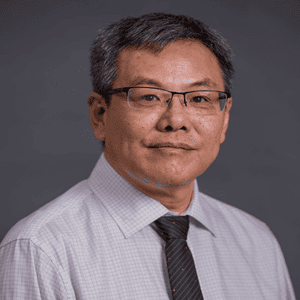 Xilin Yang
Tianjin Medical University School of Public Health
China
View profile
-
 Derek C Beatty
Edinburgh University
Scotland
View profile
-
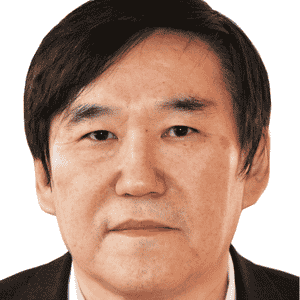 Unurjargal Tsolmon
Mongolian National University of Medical Sciences
Mongolia
View profile
-
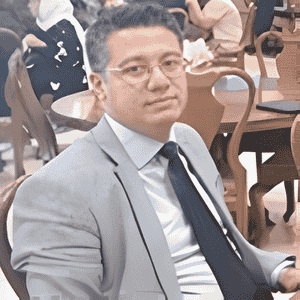 Alireza Heidari
California South University
USA
View profile
-
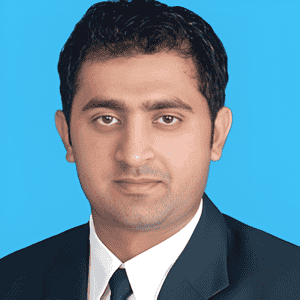 Muhamad Sajjad Ali Gill
University Of the Punjab
Pakistan
View profile
Conference Welcome Video
Take a quick look at what to expect from the programme, the people and the experience that make this conference a valuable meeting point for the community.
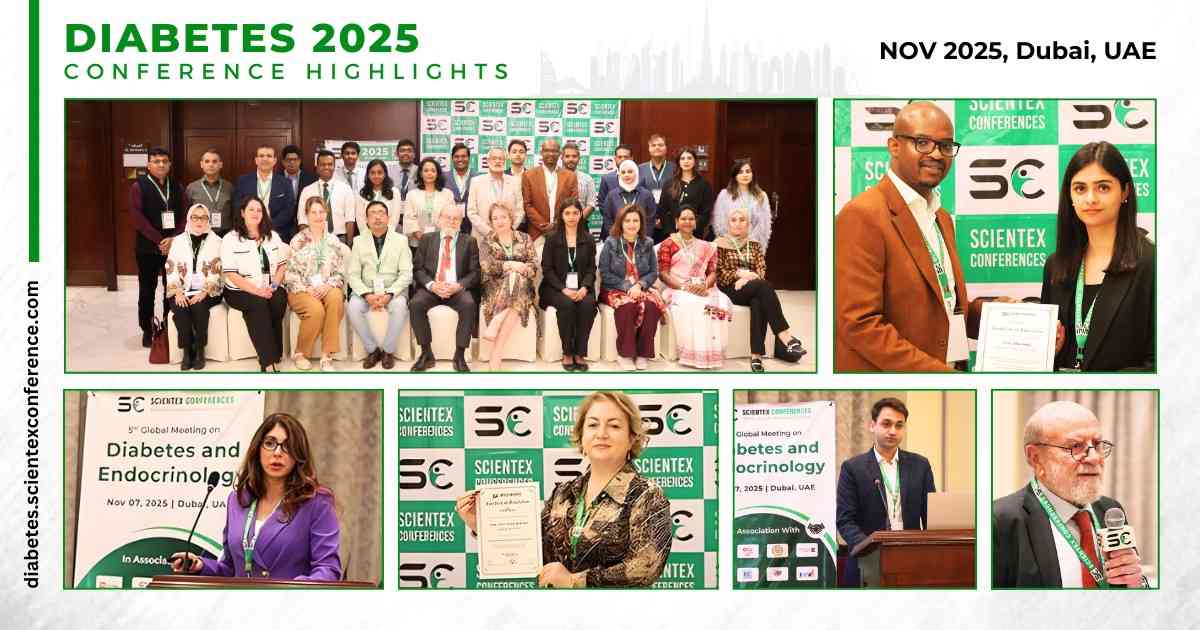
Past Conference Report - Diabetes 2025
Look back at previous editions through their reports, photo galleries, attendees and testimonials, and see how the programme has grown year after year.
The 5th Global Meeting on Diabetes and Endocrinology was held successfully on November 7, 2025, at the City Seasons Suites Hotel in Dubai, UAE, bringing together distinguished endocrinologists, diabetologists, clinicians, researchers, academicians, industry professionals, and public health experts from around the world.
The 2025 edition provided a comprehensive platform to explore current developments in diabetes research, endocrine function, therapeutic innovations, and clinical management strategies. The scientific program emphasized evidence-based practices and encouraged meaningful dialogue on the challenges and opportunities shaping diabetes and endocrine care globally.
Throughout the meeting, participants engaged in discussions on emerging research findings, case studies, translational applications, and technological advancements influencing diagnosis, treatment, and long-term disease management. The sessions fostered international collaboration and multidisciplinary partnerships aimed at improving patient outcomes.
We extend our sincere appreciation to our Keynote Speakers and Session Chairs, whose expertise and leadership greatly contributed to the scientific depth and success of the conference.
Keynote Sessions
- Prof. Roland Gartner, Ludwig-Maximilians University, Germany
- Iodine deficiency and its critical role during pregnancy
- Prof. Venera Berisha-Muharremi, University of Prishtina, Kosovo
- Crosstalk between bone metabolism and insulin resistance
- Dr. Rajarshi Ash, Consultant Ophthalmologist & Physiologist, India
- Association of glycated hemoglobin levels and duration of diabetes with severity of diabetic retinopathy – a cross-sectional analysis
Scientific Presentations
The scientific program covered an extensive range of topics, including diabetic complications, diabetes management, endocrine disorders, pediatric and reproductive endocrinology, nutrition and dietetics, neuroendocrinology, and advanced diagnostic techniques.
Presentations included:
- Dr. Manash Pratim Baruah, India
- Dr. Masitha Dewi Sari, Indonesia
- Dr. Gouri Oram, India
- Ms. Zoha Sohail, Pakistan
- Dr. Prashant Kumthekar, India
Additional noteworthy presentations were delivered by: Irina Y. Ioffe & Yulia Skorodok (Russian Federation), Dr. Randa Eltayeb (United Kingdom), Dr. Mazin Alqameji (Iraq), Fatima M. Abdulhabirova (Russian Federation).
Topics such as periodontal disease in diabetes, marine-based antimicrobial innovations, diabetic foot risk prediction, and endocrine–psychiatric correlations were also explored by experts from the UAE, UK, Pakistan, and other regions.
We extend our heartfelt gratitude to all speakers, delegates, and media partners for their invaluable contributions. Their active participation and commitment helped create a scientifically enriching and collaborative learning experience.
The Organizing Committee proudly acknowledges the strong support that made the 5th Global Meeting on Diabetes and Endocrinology a significant academic and professional achievement.
Looking Ahead! We are pleased to welcome all participants once again to the 6th Global Meeting on Diabetes and Endocrinology, November 20, 2026 | Bangkok, Thailand
We look forward to your continued engagement and contributions toward advancing global research and innovation in diabetes and endocrinology.
Quick Links
4th Global Meeting on Diabetes and Endocrinology was successfully held on November 25-26, 2024 in Grand Mercure Bangkok Atrium Hotel (Bangkok, Thailand). Diabetes 2024 gathered leading endocrinologists, diabetologists, researchers, healthcare professionals, and policymakers from around the world.
The event focused on innovations in diabetes management, recent research findings, treatment protocols, and future trends. The conference served as a platform for knowledge sharing, networking, and collaboration to tackle the growing diabetes burden worldwide.
The sessions highlighted new medications, insulin therapy advancements, and ongoing clinical trials focusing on improving glycemic control and reducing complications for both Type 1 and Type 2 diabetes.
The event was hosted by Miliva Mozaffar from Bangladesh and Larisa Bugova from the Russian Federation, emphasizing the role of moderators.
Noteworthy Presentations
1. Hidekatsu Yanai, National Center for Global Health and Medicine, Kohnodai Hospital, Japan
2. Malineat Ung, Cambodia Korea Diabetes Center (Preah Kossamak Hospital ), Cambodia
3. Manash P Baruah, Apollo Excelcare Hospital, India
4. Rajarshi Ash, Consultant Ophthalmologist & Physician, India
5. Mazin Adnan Abbas Alqameji, Basra Center for the Arab Board of Anesthesia and Intensive Care, Iraq
We would like to thank all the speakers, delegates, poster presenters, and media partners for their support in making the event a success.
Quick Links
With the great support of OCM, Speakers & Delegates, Scientex Conferences successfully hosted the conference “3rd Global Meeting on Diabetes and Endocrinology” on November 27-28, 2023, in Dubai, UAE, at City Seasons Dubai Hotel. The Diabetes conference was hosted under the Theme “Modern medical research and application on diabetic condition & endocrinology function”.
First of all, Diabetes 2023 would like to take immense pleasure in thanking all the Keynote speakers, oral speakers, poster presenters, and delegates from all around the globe who contributed their research work to the conference. We would like to felicitate the Keynote speakers: Dr. Malineat Ung, Dr. Mohd Rafee Baharudin, and Dr. Manfred Doepp from various Universities and Companies who supported the conference for its great success. Our Moderators (Lucas Faria de Castro, Brazil & Eduardo Burbano Camacho, Colombia) hosted and coordinated the conference for smooth running.
Quick Links
Scientex Conferences successfully hosted its premier second series, “2nd Global Meeting on Diabetes and Endocrinology,” scheduled for November 21-23, 2022, at Holiday Inn Paris Porte De Clichy (Paris, France), in collaboration with Dr. Harisingh Gour Vishwavidyalaya Sagar University.
The conference was organized under the theme “Modern medical research and application on diabetic condition & endocrinology function”
The hybrid event, Diabetes 2022 proceedings, was carried out through keynote presentations, oral presentations, poster presentations, young research forum, and video presentation. Scientex Conferences would desire to thank all the attendees, including honourable guests, keynote speakers, delegates, oral speakers, students, and Organizing Committee Members, who made this event an extraordinary achievement.
We would like to convey warm gratitude to our moderators, Natalia Lobanovskaya (Estonia), Shraddha Badgujar (India), and Melissa Adriana Cardenas Aguirre (Mexico), who supported the conference by hosting the sessions with a worthwhile experience.
A series of lecturers discussed the recent trends, innovation & treatment of diabetes during the conference with all the attendees.
Quick Links
The "Global Meeting on Diabetes and Endocrinology"-Hybrid event convoked by Scientex Conferences held on November 22-23, 2021 in Dubai, UAE at City Seasons Hotel, Dubai with a theme “Modern medical research and application on diabetic condition & endocrinology function” was a great success with the support of Organizing Committee Members and Keynote Speakers in the field of diabetes, nutrition, internal medicine, endocrinology, fertility, diet and pediatrics from various country.
Diabetes 2021 was conducted with various sessions, in which discussions were held on the major scientific tracks.
Diabetes 2021 has witnessed an amalgamation of outstanding speakers who enlightened the attendees with their knowledge related to diabetes and endocrinology.
The conference hosted by Scientex Conference was marked by the attendance of renowned and brilliant researchers, scientists, business delegates, and talented student researchers who presented their innovative ideas.
Scientex Conferences desire to thank all the attendees who created a tie with us and created a remarkable memory.
We are thankful to the speakers, chair (Claudio Frasson, University of Padua, Italy), co-chair (Manash P Baruah, Excelcare Hospital, India), moderators (Desislava Dyulgerova Nikolova, Shterev Hospital, Bulgaria & Zohar Landau, Ben-Gurion University of the Negev, Israel), guest keynote speakers, posters and delegates for supporting us to expand our mission to provide the quality forums which make the success of the event.
Quick Links
Trusted by Healthcare Professionals
Hear from delegates and speakers who joined our previous editions and share what made the experience worthwhile for their research and professional practice.
Ashfaque Rahim Memon | Diabetes 2023 conference Testimonial
Eduardo Burbano Camacho | Diabetes 2024 conference testimonial
Hivi Mohammed Mahmoud | Diabetes 2023 conference testimonial
Testimonial By Zill E Huma | Diabetes 2025
Testimonial By Rajarshi Ash | Diabetes 2025
Testimonial By Qudsia Umaira Khan | Diabetes 2025
Venue & Hospitality
Everything you need to plan your visit, from the conference venue and its location to accommodation options for a comfortable stay during the event.
Bangkok, Thailand
Grand Mercure Bangkok Atrium
Address: Grand Mercure Bangkok Atrium - 1880 New Phetchaburi Road, Bangkapi Huay Kwang, Bangkok, 10310 - Thailand
Media Partners and Collaborators
We work with publishers, associations and media organisations that help share research and connect our community with a wider international audience.
























Frequently Asked Questions
Find quick answers about registration, abstract submission, participation and certificates. If you need more help, our team is always happy to assist.
Our conference aims to bring together researchers, clinicians, healthcare professionals, academicians, and industry experts from around the world to exchange knowledge, present recent research findings, and discuss emerging trends in medical and healthcare sciences.
The conference is open to researchers, doctors, professors, scientists, healthcare practitioners, students, industry representatives, policy makers, and anyone interested in advancements in medical and healthcare research.
Both physical and virtual conference formats are available and are scheduled on separate dates to provide greater flexibility for participants. Attendees who may be unable to participate in one format due to scheduling or travel constraints can choose the alternate format and still benefit from the scientific sessions, networking opportunities, and knowledge-sharing experience.
Attendees can gain access to keynote sessions, networking opportunities, discussions, research presentations, collaborations, abstract publication opportunities, and certificates of participation.
Yes, all registered speakers and delegates will receive an official participation or presentation certificate after the conference.
Yes, the conference provides multiple opportunities for networking through scientific sessions, discussions, coffee breaks, and social interactions.
Interested participants may submit their abstracts or contact the conference committee through email regarding speaking opportunities. Selected submissions may be invited for oral or keynote presentations.
Absolutely. The conference encourages participation from students, postdoctoral fellows, and early-career researchers by providing opportunities to present their work and connect with experts in the field.
Yes, representatives from pharmaceutical companies, healthcare organizations, medical device industries, and related sectors are welcome to participate and collaborate with academic researchers.
Selected conference presentation abstracts, and session highlights may be shared with registered participants after the conference, subject to speaker permissions.
6th Global Meeting on Diabetes and Endocrinology
Share your research with an international audience or reserve your place today.