
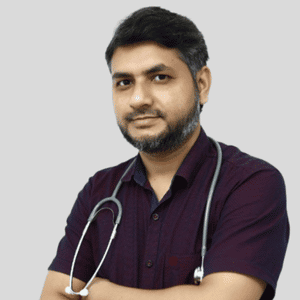
Shahin Ibn Rahman
Bangladesh Institute of Research and Rehabilitation in Diabetes, Endocrine and Metabolic Disorders, BangladeshPresentation Title:
Demographic, Clinical and Biochemical Profile of Patients with Polycystic Ovary Syndrome: A Study in a Tertiary Care Hospital of Bangladesh
Abstract
Background: Polycystic ovary syndrome (PCOS) is a common and heterogeneous endocrine disorder, marked by irregular or absent menstrual cycles, excess androgens, and polycystic ovaries. The prevalence and diagnosis of PCOS vary depending on the clinical criteria employed, with a prevalence as high as 8-13% when using the Rotterdam criteria. This study is designed to assess the demographic, clinical, and biochemical profiles of patients with PCOS.
Methods: This cross-sectional study was conducted in the Department of Obstetrics & Gynecology, Dhaka Medical College Hospital, Dhaka, Bangladesh, from January 2015 to December 2016. The study included 51 women aged 20-35 years with PCOS. Participants were selected using convenience sampling. Data were collected through a semi-structured questionnaire and analyzed using MS Office tools and SPSS Version 23.0.
Results: The mean age and BMI of our participants were 25.0±32 years and 27.0±3.1 kg/m2, respectively. The most common symptom was oligomenorrhoea (74.5%), and the ultrasonographic finding was polycystic ovaries (92%). The mean s. testosterone and D2 serum luteinizing hormone (LH) were 1.8±0.9 ng/ml and 12.7±6.7 mIU/mL, respectively, and s. LH/FSH ratio was increased in 30 (58.8%) patients. The mean fasting insulin, fasting blood glucose, and HOMA IR were 27.3±10.7 μU/ml, 5.1±0.8 mmol/L, and 4.1±1.3, respectively. The lipid profile status of the study subjects shows 68.60 % high LDL and 60.60% have high triglyceride levels.
Conclusion: The most common clinical profile is oligomenorrhoea and then polycystic ovaries on ultrasonography. LDL cholesterol and triglycerides are higher in percentage than total cholesterol in PCOS cases.
Biography
Shahin Ibn Rahman, MBBS, MD (Endocrinology and Metabolism), is an endocrinologist with expertise in the diagnosis and management of diabetes, endocrine disorders, and metabolic diseases. He specializes in the treatment of diabetes, diabetic emergencies, hormone-related disorders, and diabetes-associated complications, with a particular clinical interest in thyroid disorders during pregnancy. He completed his MBBS from Dhaka National Medical College in 2009 and earned his MD in Endocrinology and Metabolism from BIRDEM Academy under Bangabandhu Sheikh Mujib Medical University (BSMMU) in 2019. During his career, he served as a Registrar at BIRDEM, where he provided specialized care to patients with complex endocrine and metabolic conditions while also contributing to the education and training of MBBS and MD students. Committed to evidence-based medicine and patient-centered care, he focuses on delivering comprehensive treatment for diabetes and hormonal disorders, while continually advancing clinical practice through medical education and professional development.

Organization Location
#1309 Coffeen Avenue, STE 1200, Sheridan, Wyoming 82801, USA
General Enquiry
contact@scientexconferences.com
Finance Enquiry
finance@scientexconferences.com
Call us at
USA : (+1) 3074647366