

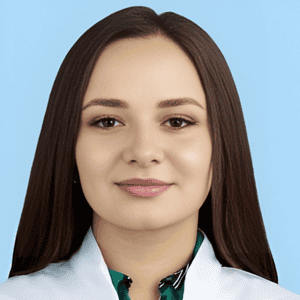
Regina R. Ashimova
Kazan State Medical Academy, RussiaPresentation Title:
Prognostic significance of β-arrestin-2 and E-cadherin expression in determining the response to treatment by first-generation somatostatin analogues in patients with acromegaly
Abstract
The problem of achieving complete remission or biochemical control of acromegaly remains unresolved, despite the existence of high-tech treatment methods (endoscopic transsphenoidal surgery, radiosurgery, targeted drug therapy). Up to 50% of patients with acromegaly do not achieve the goal of treatment. Increasing the effectiveness of acromegaly treatment requires the development of a personalized approach based on the definition of predictive biomarkers of the clinical course, response to drug therapy, and prognosis of the disease.
This study aimed to assess the prognostic significance of E-cadherin and β-arrestin-2 (β-A-2) protein expression in growth hormone-producing pituitary adenomas in patients with acromegaly. Material and methods. The study included 30 patients with acromegaly after endoscopic endonasal transsphenoidal removal of pituitary adenoma, who were divided into three groups: 1) patients resistant to first-generation somatostatin analogues (SSAs1); 2) patients with biochemical control with the SSAs1 medication; 3) patients with postoperative remission of acromegaly without any medication (control group). In all cases, tumor tissue samples were exposed on expression of E-cadherin and β-A-2 by immunohistochemical test.
Results: Comparison in the three groups for each biomarker showed statistically significant differences: for β-A-2, p=0.0044, for E-cadherin, p=0.0004. Logistic regression analysis showed that the probability of resistance to the medication with SSAs1 was associated with increased β-A-2 expression and decreased Ecadherin expression (p=0.002 and 0.0001, respectively). ROC analysis confirmed the high predictive ability of biomarkers for assessing treatment response to SSAs1. The threshold values for β-A-2: ≤ 5 (specificity – 90%, sensitivity – 60%) and for E-cadherin: ≥ 6.5 (specificity – 100%, sensitivity – 85%). Conclusion. Determination of β-A-2 and E-cadherin expression in growth hormone-producing pituitary adenomas can be used as prognostic biomarkers: decreased β-A-2 expression and increased E-cadherin expression are associated with a better response to SSAs1 and a higher probability of achieving postoperative remission of acromegaly.
Biography
Regina R. Ashimova is an assistant in the department of endocrinology at the Kazan state medical academy and an endocrinologist at the Interregional clinical diagnostic center in Kazan, Russia. Her research interests include neuroendocrinology, specifically diseases of the hypothalamic-pituitary system. She has authored 10 scientific articles and won a diploma for the best young scientist in the natural sciences competition in the Republic of Tatarstan. She is currently writing a PhD on the management of patients with acromegaly.

Organization Location
#1309 Coffeen Avenue, STE 1200, Sheridan, Wyoming 82801, USA
General Enquiry
contact@scientexconferences.com
Finance Enquiry
finance@scientexconferences.com
Call us at
USA : (+1) 3074647366